Stardew Valley Review Updated (2026)
Stardew Valley Review (Updated)
Beginning with a rundown farm, you gradually build something that becomes central to life in the valley.
Quick info
| Category | Details |
|---|---|
| Reviewed by | Editorial Team |
| Developer | ConcernedApe (Eric Barone) |
| Publisher | ConcernedApe |
| Release Date | 27 February 2016 |
| Platforms | PC, PlayStation, Xbox, Nintendo Switch, Mobile |
| Time Played for Review | 170+ hours |
| Anniversary Status | Approaching 10 years of continuous support |
A Decade Later, Does Stardew Valley Still Matter?
Reviewing Stardew Valley nearly ten years after its original release might seem unnecessary at first. The game is already cemented as one of the most influential indie titles of all time. Created almost entirely by a single developer, Eric Barone—better known as ConcernedApe—Stardew Valley became both a commercial and critical success shortly after launch and has only grown since.
But longevity alone does not guarantee relevance. With the genre now crowded by farming and “cozy” life sims, the real question in 2025 is simple: does Stardew Valley still hold up, and is it still worth playing today?
After hundreds of hours across multiple playthroughs both solo and co-op—the answer remains a confident yes. A brief Stardew valley review will let you is it still worth playing Game.
New players may want to start with a Stardew Valley beginner guide to understand the basics before diving in.
Starting a New Life in Pelican Town
Stardew Valley begins with a familiar setup. You play a disillusioned office worker who inherits a neglected farm from their late grandfather. Leaving behind the monotony of corporate life, you move to Pelican Town to start fresh.
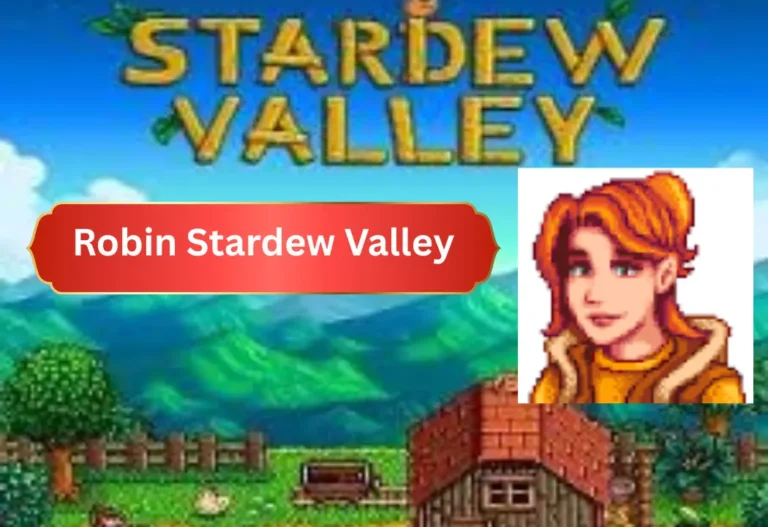
After a brief introduction by Mayor Lewis and local carpenter Robin, the game removes the training wheels almost immediately. You are given basic tools, a handful of seeds, and complete freedom. While the game gently nudges you forward with optional quests, how you spend your days is entirely up to you.
This lack of urgency is one of Stardew Valley’s defining traits. There is no failure state, no strict timetable, and no wrong way to play.
Farming, Skills, and Progression
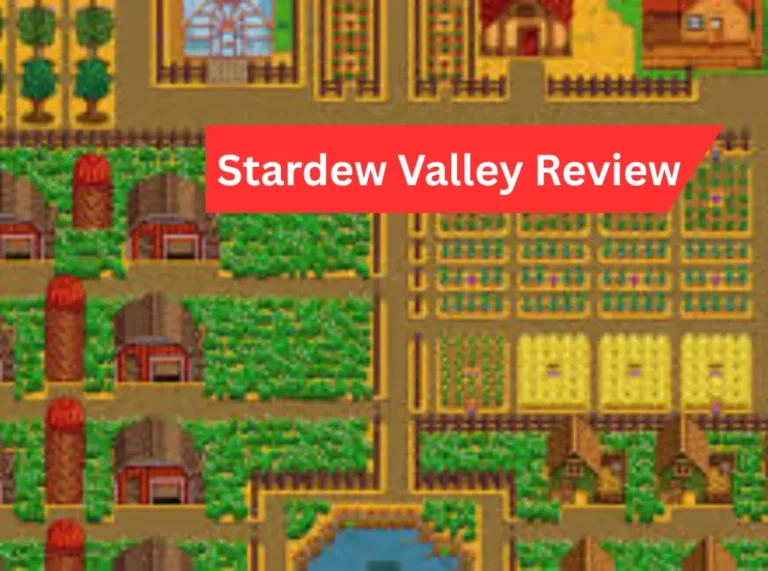
At its heart, Stardew Valley is a farming game but it never limits itself to farming alone. Early on, you will plant crops, water them daily, and sell the harvest to earn gold. Over time, your farm expands with barns, coops, artisan equipment, and animals like chickens, cows, and goats.
Progression is tied to five core skills:
- Farming
- Foraging
- Mining
- Fishing
- Combat
As you use each skill, you level it up, unlocking crafting recipes, bonuses, and specialization perks. Importantly, the game never forces you to engage with every system. You can focus almost entirely on farming, spend most of your time fishing, or live in the mines hunting monsters and resources.
Combat, Mining, and Fishing
Combat in Stardew Valley is intentionally simple. You swing weapons, manage positioning, and rely on food for healing. While it lacks complexity, it creates tense moments when venturing deep into the mines unprepared. Combat serves its purpose without overwhelming the game’s relaxed tone.
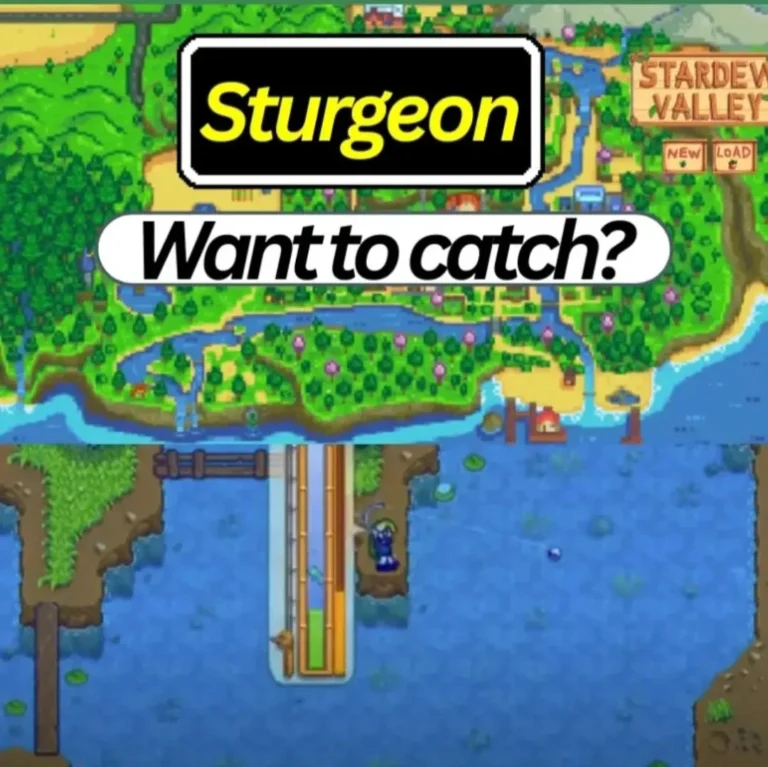
Fishing is more divisive but surprisingly deep. Each fish behaves differently, and mastering the timing-based mini-game becomes extremely satisfying over time especially when reeling in rare or legendary fish.
Mining ties everything together, offering resources essential for upgrades, crafting, and late-game progression.
“The mechanics are explained in more depth in our Stardew Valley fishing tips guide.”
Community, Relationships, and Choice
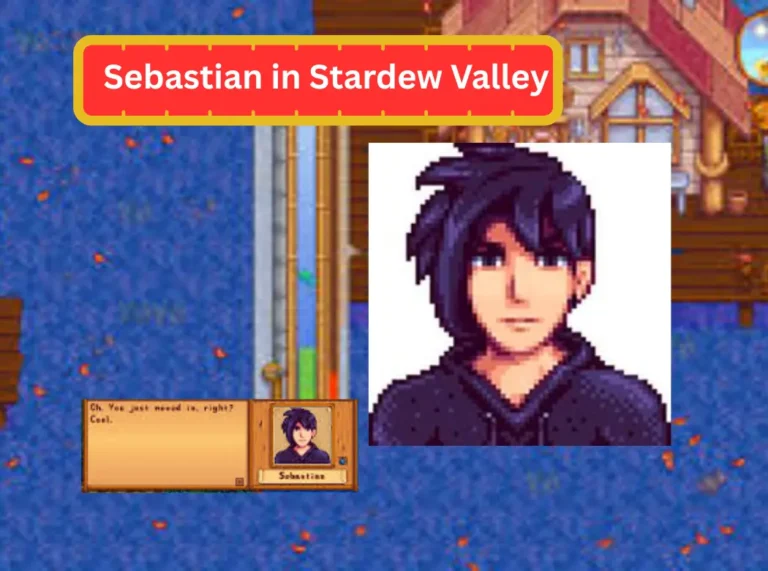
Pelican Town is filled with memorable characters who follow daily routines and react to seasons, events, and your actions. Relationships are measured through a heart system, increased by talking, gifting items, and completing quests.
As friendships deepen, villagers open up through cutscenes that explore themes such as loneliness, ambition, grief, and personal growth. Romance options allow players to date, marry, and start a family, adding emotional weight to long-term playthroughs.
A major narrative fork appears with the Community Center. You can either help restore it by collecting themed items or choose the faster, corporate JojaMart route. Neither path is mandatory, reinforcing the game’s core philosophy: play how you want.
Multiplayer: Better Together
While Stardew Valley is an excellent solo experience, multiplayer transforms it entirely. Co-op allows multiple players to share a farm, divide tasks, and progress together. Managing crops, animals, and mines becomes far more engaging when shared.
There are some limitations—such as shared storage and the lack of personal chests but these are minor trade offs for the collaborative experience. Playing co-op, especially with family or close friends, highlights Stardew Valley as a social game as much as a farming sim.
Few multiplayer games offer such a safe, welcoming environment for players of all ages.
Presentation: Timeless Pixel Art and Music
Stardew Valley’s pixel-art visuals have aged gracefully. Seasonal changes keep the world feeling fresh, while character portraits and animations add charm and personality.
The soundtrack deserves special mention. Calm, melodic, and perfectly matched to each season and location, the music enhances the game’s soothing atmosphere and remains instantly recognizable years later.

Final Verdict
Stardew Valley is more than a successful indie game. It is a long-term passion project that continues to evolve. With years of free updates, strong mod support, and an unmatched sense of warmth, it remains one of the best farming and life simulation games available.
Whether played solo or in co-op, Stardew Valley rewards patience, creativity, and curiosity in ways few games can.
Score: 9 / 10
A comforting, content-rich experience that only gets better with time.