Stardew Valley Crafting Guide: Everything You Need to Know
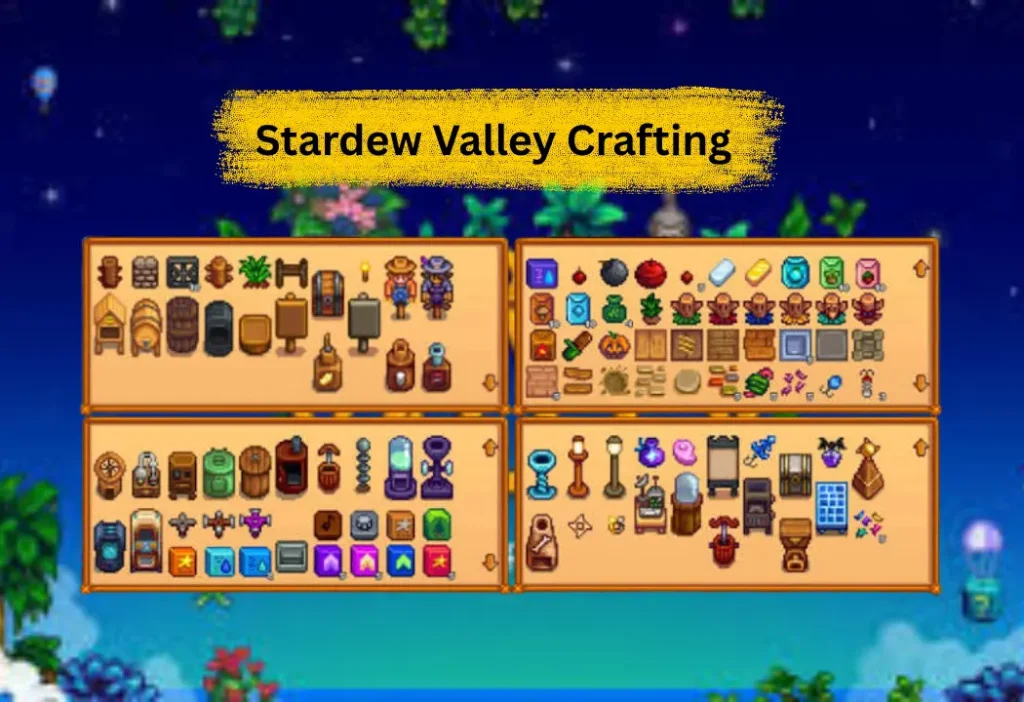
Crafting is one of the most rewarding features in Stardew Valley. Whether you are building sprinklers to automate your farm, crafting kegs for artisan goods, or placing lightning rods to collect batteries, crafting helps you save time, earn more gold, and improve your overall gameplay.
Many new players focus only on farming and mining, but experienced players know that crafting is just as important. Learning which items to craft first and how to unlock new recipes can make your farming journey much easier.
In this Stardew Valley Crafting Guide, you will learn how crafting works, how to unlock recipes, which materials you should collect, and the best items to craft during each stage of the game.
If you are new to the game, you may also want to read our Stardew Valley APK guide to learn about gameplay features and getting started before diving into advanced crafting mechanics.
What Is Crafting in Stardew Valley?
Crafting allows players to create useful items by combining different materials collected throughout the game. Instead of purchasing everything from shops, you can make many valuable tools and machines yourself.
You will use crafting to create:
Most crafted items improve your productivity and make daily tasks much easier.
How to Unlock Crafting Recipes
Unlike cooking recipes, crafting recipes are unlocked in several different ways throughout the game.
1. Level Up Your Skills
Every time one of your skills increases, you will unlock new crafting recipes.
Skills include:
For example:
As your character becomes more experienced, your crafting options expand significantly.
2. Purchase Recipes
Several NPCs sell crafting recipes.
Some examples include:
Always check each shop whenever your farming level increases because new recipes become available throughout the game.
3. Complete Quests
Some crafting recipes are rewards for completing quests or helping villagers.
Community quests and special orders often unlock exclusive recipes that cannot be obtained elsewhere.
4. Festivals and Events
Seasonal festivals sometimes offer unique crafting recipes.
Don’t skip festivals because they often provide limited-time rewards that help complete your crafting collection.
Where to Find Crafting Materials
Crafting depends on collecting the right resources. Fortunately, many materials are easy to obtain if you know where to look.
Wood
Wood is used in hundreds of recipes.
Collect it by:
Always keep several stacks of wood in storage because you will constantly need it for buildings, chests, and machines.
Stone
Stone is another essential crafting material.
You can collect it by:
Stone is required for:
Coal
Coal powers furnaces and appears in many crafting recipes.
Get coal by:
Coal becomes increasingly valuable during mid-game.
Fiber
Many beginners throw away fiber, but that’s a mistake.
Fiber is used for:
Always keep a chest specifically for fiber.
Hardwood
Hardwood is rarer than normal wood.
Sources include:
You will need hardwood for:
Metal Bars
Crafting machines often require refined metal bars.
These include:
Smelt ores inside a furnace using coal.
Why Crafting Is Important
Many players underestimate crafting until late in the game.
Crafting provides several major advantages.
Instead of buying expensive equipment, you can craft it yourself using materials collected during exploration.
Saves Money
This leaves more gold available for:
Improves Farm Efficiency
Machines dramatically increase productivity.
For example:
The earlier you craft these machines, the faster your farm grows.
Helps Complete Collections
Several crafted items are needed to complete achievements and perfection goals.
Some recipes are also required for completing crafting-related achievements.
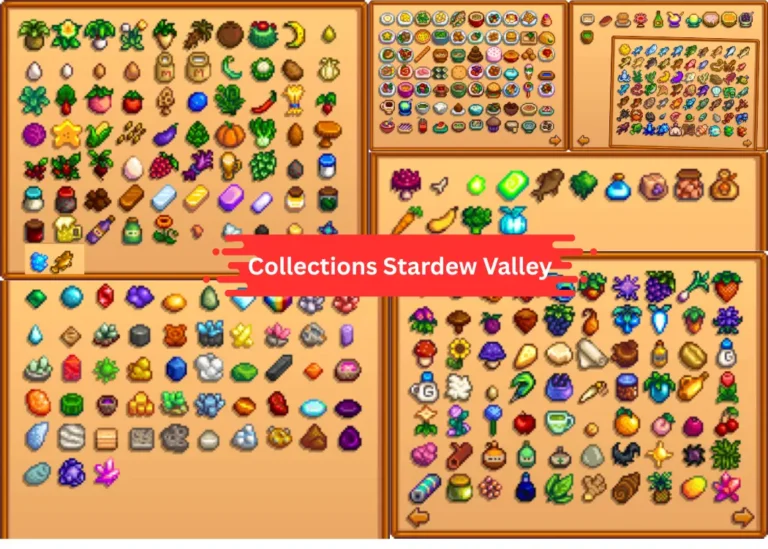
If you are collecting every item in the game, our Stardew Valley Collections Guide can help you keep track of important collectibles alongside crafted items.
Best Items to Craft Early Game
One common mistake beginners make is crafting decorative items before useful machines.
Focus on these instead.
Chest
The Chest should be your very first crafted item.
Benefits include:
Create multiple chests for farming materials, ores, fish, artisan goods, and seasonal crops.
Furnace
The Furnace unlocks metal bars, which are required for many advanced crafting recipes.
Without it, your progression slows significantly.
Always keep one furnace operating whenever you return from the mines.
Scarecrow
Protect your crops from crows before expanding your farm.
Crafting a scarecrow early prevents crop losses and saves valuable gold.
Basic Sprinkler
Although the Basic Sprinkler has limited coverage, it’s still better than watering every crop manually.
Later, replace them with Quality and Iridium Sprinklers for maximum efficiency.
Field Snack
Field Snacks are one of the easiest energy-restoring items to craft.
They require simple foraged materials and help you spend more time mining, chopping wood, or fishing without constantly returning home.
Wild Seeds
Wild Seeds are excellent for earning extra forage items while leveling your Foraging skill.
They are also useful for completing seasonal objectives and generating additional income with minimal effort.
Crafting Tips for Beginners
Before you start crafting every recipe you unlock, keep these tips in mind:
Following these habits early in the game will make late-game crafting much easier and reduce unnecessary grinding.
Best Mid-Game Items to Craft
As your farm grows, your crafting priorities will change. During the mid-game, focus on machines and equipment that increase your daily profits while reducing manual work.
Quality Sprinkler
The Quality Sprinkler is one of the most valuable crafted items in Stardew Valley.
It waters eight surrounding tiles automatically every morning, allowing you to expand your farm without spending hours watering crops.
Most experienced players skip Basic Sprinklers and aim to unlock Quality Sprinklers as soon as possible.
Required materials:
Once you unlock this recipe, prioritize crafting enough sprinklers for your main crop fields.
Keg
The Keg is considered one of the most profitable crafting machines in the game.
It transforms crops into artisan goods, which sell for significantly more than raw produce.
Use Kegs for:
Building a dedicated shed filled with Kegs is one of the best long-term money-making strategies.
Preserves Jar
While Kegs are excellent, Preserves Jars are easier to build and become available earlier.
They convert vegetables and fruits into:
These artisan products offer higher selling prices and provide steady income throughout the year.
Bee House
Bee Houses generate honey every few days without requiring much attention.
Placing them near flowers produces specialty honey that sells for even more gold.
They are especially useful during Spring, Summer, and Fall.
Cheese Press
If you have started raising cows or goats, the Cheese Press should be one of your first crafting priorities.
Turning milk into cheese greatly increases its value and makes excellent food for mining adventures.
Loom
Players who own sheep or rabbits can use the Loom to turn wool into cloth.
Cloth is useful for:
Best Late-Game Crafting Items
By the late game, crafting becomes less about survival and more about maximizing efficiency.
Iridium Sprinkler
The Iridium Sprinkler waters 24 surrounding tiles, making it one of the best automation tools in Stardew Valley.
Although expensive to craft, it’s worth every resource.
A farm filled with Iridium Sprinklers requires almost no manual watering.
Crystalarium
The Crystalarium duplicates gems automatically.
Many players place dozens of Crystalariums to duplicate:
Duplicated gems can be sold for profit or traded with merchants.
Lightning Rod
Lightning Rods serve two important purposes:
Battery Packs are required for many late-game machines and upgrades.
Having several Lightning Rods on your farm ensures a steady supply throughout the year.
Oil Maker
The Oil Maker converts various ingredients into valuable oils, including Truffle Oil.
Since Truffle Oil is one of the most profitable artisan goods, this machine quickly pays for itself.
Seed Maker
Instead of purchasing seeds every season, use the Seed Maker to produce new seeds from your harvest.
This saves gold and helps expand your farm more efficiently.
Crafting Materials You Should Never Sell
One mistake many new players make is selling resources too early.
Even if you need extra gold, it’s better to keep these materials in storage:
These resources are used in dozens of important crafting recipes, and replacing them later can take a lot of time.
Common Crafting Mistakes
Avoiding these mistakes will help you progress faster.
Crafting Decorative Items Too Early
Decorative furniture can wait.
Focus on machines and tools that improve your farm before spending resources on decoration.
Ignoring Tree Tappers
Many valuable recipes require:
Place Tappers on trees early so you will always have these resources available.
Selling All Your Resources
Just because an item has value doesn’t mean you should sell it.
Keeping a healthy stockpile saves time later in the game.
Not Organizing Storage
Use separate chests for:
Good organization makes crafting much easier.
Forgetting Vendor Recipes
Several crafting recipes are sold by NPCs.
Visit shops regularly to make sure you don’t miss important upgrades.
Tips to Unlock Every Crafting Recipe
If your goal is achieving 100% perfection, you’ll eventually need every crafting recipe.
Here are a few tips:
Taking your time and exploring every area of the game will naturally unlock most recipes.
FAQs

Final Thoughts
Completing this Stardew Valley Crafting is just the beginning of becoming a more efficient farmer. By unlocking new recipes, collecting essential materials, and crafting the right machines at the right time, you can automate daily tasks, increase your profits, and enjoy a smoother gameplay experience.
Whether you’re a beginner learning the basics or an experienced player working toward Perfection, the strategies in this Stardew Valley Crafting Guide will help you make smarter crafting decisions throughout your adventure